
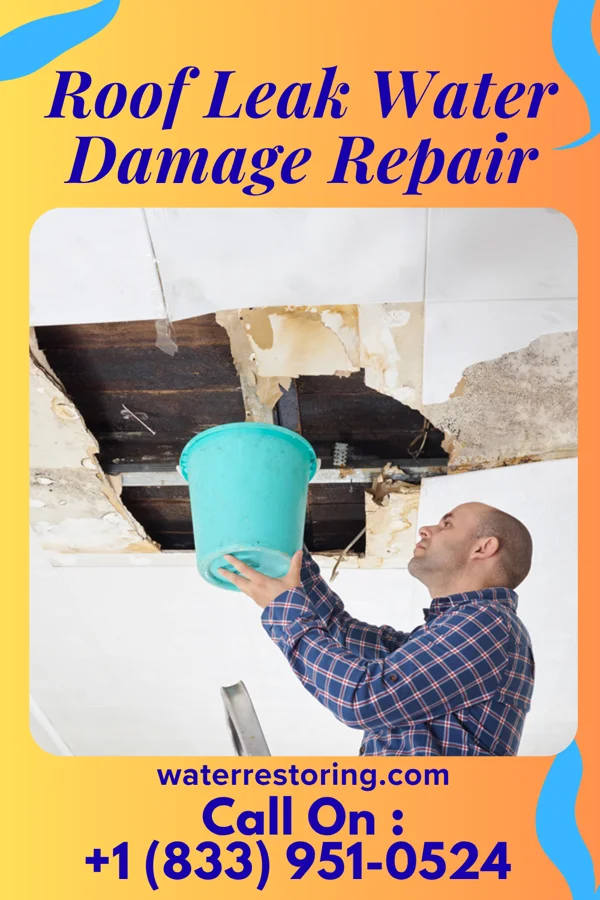
When Binghamton University Properties Need Roof Leak Repair
Water damage in Binghamton University usually starts with Binghamton University experiences frequent spring and summer rainfall, which can lead to water infiltration through aging or improperly maintained roofing systems. The region's humid climate increases the risk of roof leaks, especially during heavy thunderstorms common in late spring and early fall.. A close second is Winter snowmelt and ice dams can cause significant roof damage around Binghamton University, leading to water seepage into building structures. The combination of freezing temperatures and thawing snow can compromise roofing integrity, particularly on older buildings.. Professional restoration follows the IICRC protocol on every job. Assess. Extract. Dry. Sanitize. Document.
The humid continental climate of Binghamton University leads to frequent moisture exposure, increasing the likelihood of roof leaks and subsequent water damage. This is compounded by seasonal temperature changes that can stress roofing materials over time.
Water damage in Binghamton University follows a few local patterns. Binghamton University experiences frequent spring and summer rainfall, which can lead to water infiltration through aging or improperly maintained roofing systems. The region's humid climate increases the risk of roof leaks, especially during heavy thunderstorms common in late spring and early fall. accounts for the bulk of our calls. The humid continental climate of Binghamton University leads to frequent moisture exposure, increasing the likelihood of roof leaks and subsequent water damage. This is compounded by seasonal temperature changes that can stress roofing materials over time. Mold growth can occur within 48 hours of water exposure on campus, leading to potential health risks and structural damage. This is especially concerning in the humid climate of Binghamton University, where moisture retention is common.
For public guidance on the health effects of mold after prolonged water exposure, see the EPA mold and health page.